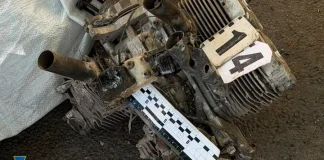
Russia’s denial that it struck Kyiv-Pechersk Lavra has turned the latest mass attack on the Ukrainian capital into a contest over attribution, Western weapons and the protection of cultural heritage in wartime.
The monastery complex, part of a UNESCO World Heritage site, caught fire during a major Russian missile and drone attack on Kyiv overnight. Ukrainian authorities said the assault damaged the Lavra, including the Dormition Cathedral, while residential buildings and energy infrastructure were also hit across the capital. Kyiv officials reported deaths, injuries and temporary power cuts affecting tens of thousands of households.
Moscow rejected responsibility. Russia’s Defence Ministry said it had targeted military-industrial facilities and claimed that the fire at the monastery complex was caused by a misfired US-made Patriot air-defence missile. It also suggested that the alleged malfunction may have involved expired Western-supplied ammunition.
The Russian statement follows a familiar pattern in the war. When civilian or cultural sites are damaged during large-scale strikes, Moscow often denies that such sites were targeted and seeks to redirect responsibility towards Ukraine’s own air defences. Kyiv, in turn, argues that the underlying cause is Russia’s decision to launch missiles and drones at Ukrainian cities, forcing air-defence systems to operate over densely populated areas.
That distinction matters. Even where debris from an intercepted missile or air-defence interceptor causes damage, the legal and political issue is not limited to the final fragment that hits a building. Large-scale attacks on urban centres create predictable risks for civilians, infrastructure and protected cultural property. Russia’s claim therefore shifts the debate from intent to mechanism, but it does not remove the wider question of responsibility for launching the barrage.
Ukraine’s air-defence network is under severe strain. According to reporting on the overnight assault, Russia launched dozens of missiles and hundreds of drones, while Ukrainian forces intercepted most of them. Ballistic missiles remain the hardest category to stop. This is why Ukraine has repeatedly asked Western partners for additional Patriot systems and interceptor missiles.
Russia’s attempt to link the Lavra fire to a Patriot missile is also aimed at the political debate in Western capitals. Patriot systems are among the most important items of air-defence equipment supplied to Ukraine by its partners. If Moscow can portray those systems as unreliable, dangerous or poorly maintained, it can try to weaken public support for further deliveries. The claim also fits a broader Russian narrative that Western arms prolong the war and increase civilian risk.
For Ukraine and its partners, the opposite argument is central: without layered air defence, Russian missiles and drones would hit more targets, not fewer. The large number of interceptions claimed by Kyiv during repeated mass attacks has become a key part of Ukraine’s case for more interceptors. The debate is therefore not only technical. It is political, financial and strategic.
The damage to Kyiv-Pechersk Lavra adds another dimension. The complex is among the most important religious and cultural sites in eastern Europe. Its inclusion in the UNESCO-listed Kyiv property makes the incident more than a national heritage issue. Ukrainian Foreign Minister Andrii Sybiha has called for a response from UNESCO and international partners, while President Volodymyr Zelenskyy linked the attack to the wider question of international pressure on Moscow ahead of the G7 summit.
Russia’s denial is unlikely to settle the issue. Attribution in missile and air-defence incidents requires physical evidence, radar data, munition fragments, trajectory analysis and access to the site. In wartime, such evidence is usually contested, delayed or used selectively by the parties involved. This creates space for competing narratives, particularly when a damaged site has high symbolic value.