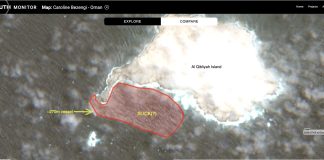
The attack shifts the Gulf crisis beyond oil and shipping. In a region dependent on desalination, water infrastructure is now part of the strategic battlefield.
Iranian attacks on Kuwait have damaged power and water desalination infrastructure, exposing a civilian vulnerability that is at least as consequential for Gulf states as disruption in the Strait of Hormuz.
Reuters reported on 18 July that Iran had renewed attacks on Gulf states after another night of US strikes on Iranian military and logistics infrastructure, with Kuwaiti authorities saying one of the country’s power generation and water desalination stations had been hit. The Associated Press separately reported that a Kuwaiti desalination plant was damaged on 17 July, highlighting the dependence of Gulf states on facilities that turn seawater into drinking water.
The distinction matters. Oil infrastructure and shipping lanes are familiar strategic targets. Desalination plants are different because they directly sustain civilian life, urban services, hospitals, industry and agriculture in countries with limited natural freshwater. In Kuwait, desalination supplies most drinking water, making the system a critical public utility rather than a replaceable industrial asset.
EU Global has recently examined how Hormuz disruption is weighing on Gulf growth. The Kuwait strike adds a more immediate domestic dimension. A shipping shock can raise costs and slow exports; a water-production shock can affect households and emergency planning within hours if redundancy is insufficient.
Desalination plants are often co-located with power generation and coastal infrastructure, which can make them exposed to missiles, drones, fires and secondary damage. Even partial disruption can reduce production, strain storage and force governments to activate contingency plans. That creates economic and political pressure during a military crisis.
For Gulf governments, the attack raises a hard resilience question. Air defence around energy assets may not be enough if adversaries target water, power, ports and data infrastructure in parallel. Protection of civilian utilities is becoming a central part of deterrence.
The conflict also raises legal and diplomatic concerns. Attacks on civilian infrastructure can have consequences beyond immediate military signalling, particularly where essential services are affected. UN Secretary-General Antonio Guterres has expressed concern about attacks on civilian infrastructure across the region, according to Reuters.
The Gulf crisis is therefore broadening. The strategic issue is no longer only whether tankers can pass through Hormuz. It is whether states whose cities rely on coastal technical systems can keep water, power and transport functioning under missile and drone pressure.